Food quality has been declining steadily over recent decades. These documentary filmmakers have taken on the challenge of exploring why this is happening and whether it's still possible to find healthy, sustainable food options in today's world.
That Sugar Film (Australia, 2014)
Director: Damon Gameau
Rating: PG-13
If you've ever questioned whether sugar is really that harmful, this documentary will eliminate all doubt. Director Damon Gameau conducted a daring self-experiment to demonstrate the devastating impact of sugar, including sugar substitutes and fructose, on human health.
For 60 days, Gameau followed a high-sugar diet consuming nearly 160 grams of sugar daily—approximately 40 teaspoons. Within just two months, he gained 4 inches around his waist, developed fatty liver disease, showed early signs of coronary insufficiency, and experienced significant psychological changes including mood swings, apathy, and reduced productivity.
The filmmaker emphasizes an important warning: consumers shouldn't trust "healthy" labeling that supposedly indicates sugar-free products, as these claims can be misleading.

Super Size Me (USA, 2004)
Director: Morgan Spurlock
Rating: R
Another filmmaker-turned-guinea-pig decided to demonstrate firsthand how unhealthy food damages the body. This time, the focus was on fast food—or "food garbage" as the film calls it.
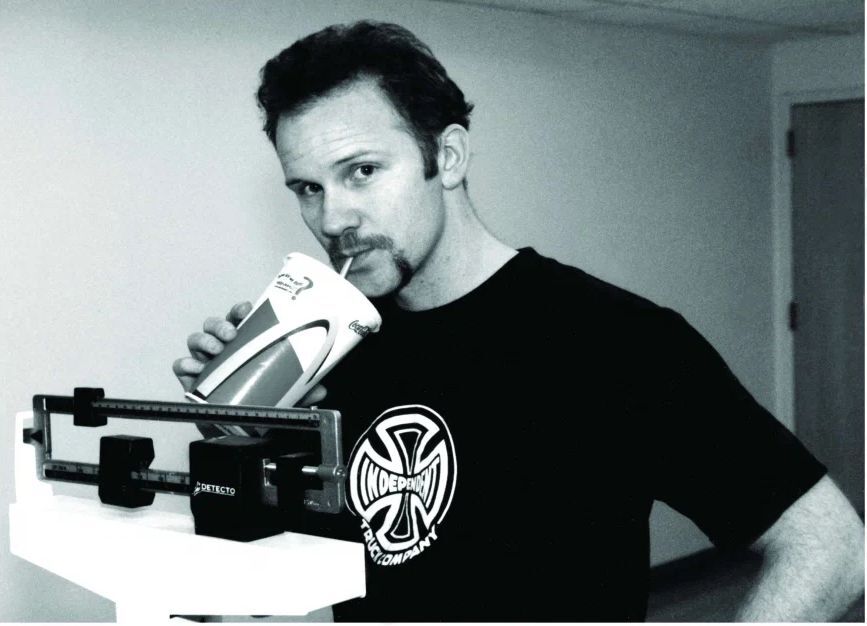
For an entire month, Morgan Spurlock ate exclusively at fast food restaurants, consuming burgers, fries, and other processed items. The rules were simple: if offered a super-sized portion, he had to accept it—hence the film's title. He combined this month-long fast food diet with zero exercise and weekly medical examinations, all documented on camera.
At the start of filming, the 33-year-old stood 6'2" and weighed 185 pounds. After 30 days, he gained 24 pounds, suffered liver damage, experienced erectile dysfunction, and developed hormonal imbalances. It took Spurlock an entire year to lose the weight he'd gained.
Food, Inc. (USA, 2008)
Director: Robert Kenner
Rating: G
This film won numerous documentary festival awards and received glowing reviews from critics. However, American food production and manufacturing companies were outraged and threatened legal action—though these threats never materialized. Presumably, the filmmakers' evidence was too compelling to challenge in court.
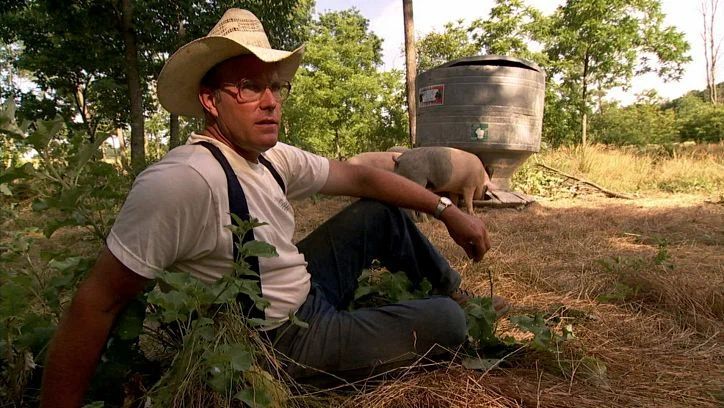
Director Robert Kenner tackled a crucial issue for American consumers: demonstrating that most food products pose health risks. He spent three years gathering information, conducting interviews, and filming reports. The documentary highlights how major corporations cut corners in production—livestock and poultry are slaughtered inhumanely and kept in appalling conditions. Similar cost-cutting practices occur in grain, cereal, and vegetable processing facilities.
Kenner presents evidence of chemicals and pesticides used in production. These factories and major corporations skillfully circumvent regulations, emerge unscathed from controversies, and sell their products at inflated prices while marketing them as eco-friendly—essentially deceiving consumers.
Earthlings (USA, 2005)
Director: Shaun Monson
Featuring: Joaquin Phoenix
Rating: R
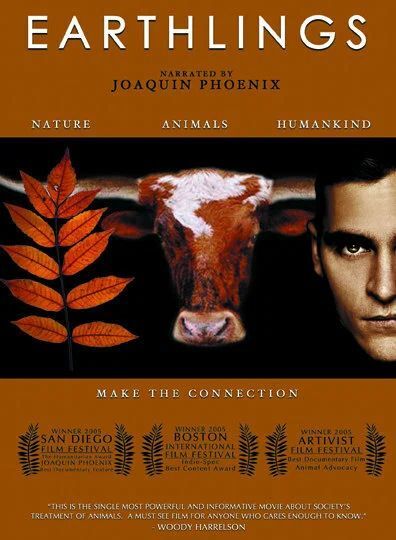
Not everyone will have the stomach for this film, as it graphically depicts cruelty toward animals—slaughterhouses, scientific experiments, natural leather and fur production, and the training of wild animals for circus entertainment.
The animal rights activist director secured support from numerous Hollywood celebrities who advocate for animal welfare. Actress Maggie Q produced the film, Joaquin Phoenix provides narration, and musician Moby composed the soundtrack. Many viewers have reported becoming vegetarian permanently after watching.
Forks Over Knives (USA, 2011)
Director: Lee Fulkerson
Rating: PG-13
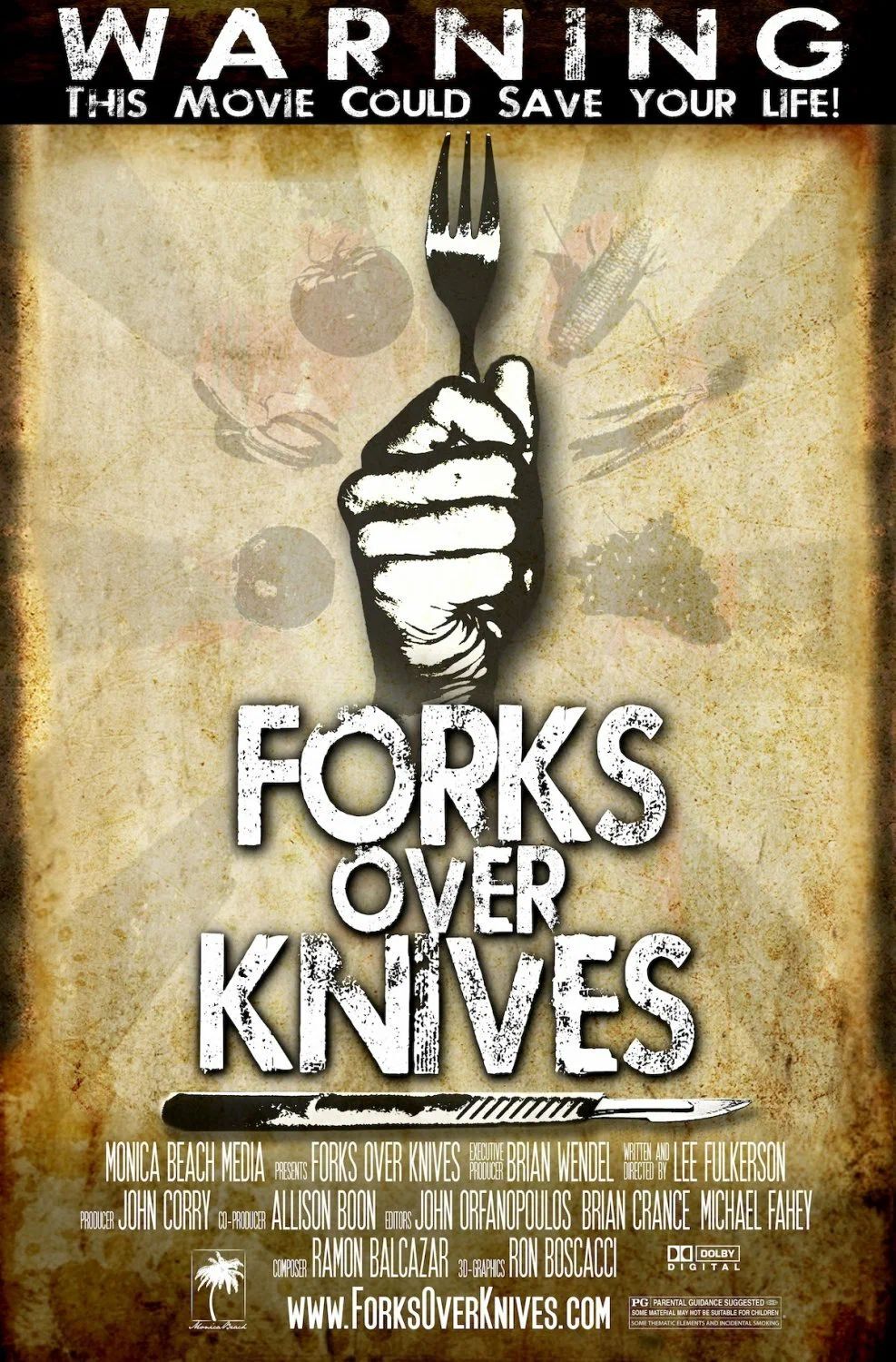
This film adapts a book authored by prominent physicians who sought to establish connections between diet and chronic diseases. One expert, Colin Campbell—a long-time vegan—believes nothing is healthier for humans than quality plant-based food. The filmmakers argue that eliminating red meat and fatty foods prevents diabetes, obesity, and cardiovascular disease.
However, these claims and promotion of veganism sparked significant criticism from other medical professionals. They counter that animal fats and proteins in moderate amounts are essential for human health, and that plant-based protein alone is insufficient to maintain healthy blood vessels, muscles, and bones. The debate continues today.
Fed Up (USA, 2014)
Director: Stephanie Soechtig
Featuring: Katie Couric, Michael Pollan
Rating: PG-13
This documentary examines the global obesity epidemic across different age groups. Why are children becoming overweight, and why are today's teenagers more obese than their peers from just a few decades ago? Why do young people develop chronic conditions at early ages while older generations seem more resilient?
The filmmakers emphasize that modern nutrition is the culprit—contemporary products loaded with preservatives, flavor enhancers, additives, and other harmful substances. These ingredients reduce manufacturing costs while causing enormous damage to human health. Meanwhile, older generations lived most of their lives on natural, organic food before mass-produced preservatives became widespread.

In Defense of Food (USA, France, Tanzania, 2015)
Director: Michael Schwarz
Featuring: Michael Pollan
Rating: PG-13
The director based this film on Professor Michael Pollan's book of the same name. The writer published fascinating research tracking Australian aborigines who relocated from rural areas to metropolitan cities. Over time, urban life led them to health problems and obesity.
Professor Pollan drew connections between food quality and bodily changes. The aborigines began purchasing ultra-processed foods, frozen meals, and canned goods—completely switching from clean, natural food to what could be called contaminated nutrition.
The creators emphasize the importance of healthy eating. While abandoning convenience foods entirely can be difficult, and there's nothing wrong with occasionally buying pre-made items, it shouldn't become routine. The best approach to maintaining health is cooking from quality ingredients yourself.
These documentaries offer powerful insights into modern food systems and their impact on our health. Whether you're looking to make dietary changes or simply understand what's really on your plate, these films provide valuable perspectives to inform your food choices.

Enjoy watching.
